
Sinus infections affect millions of people each year, causing facial pressure, congestion, and discomfort that can interfere with daily life. While many search for ways to eliminate sinus infection symptoms within 24 hours, understanding what is actually achievable matters for setting realistic expectations and choosing effective treatments.
Natural remedies can help relieve sinus infection symptoms quickly by promoting drainage, reducing inflammation, and thinning mucus. However, most medical sources agree that completely eliminating an infection in 24 hours is unlikely. Most cases resolve on their own within 7-10 days, with symptom relief possible through home management approaches that do not require antibiotics.
Can You Get Rid of a Sinus Infection in 24 Hours?
The short answer is that complete elimination of a sinus infection within 24 hours is generally not realistic. According to the CDC, sinus infections often clear up on their own within 10 days without treatment. However, significant symptom relief within this timeframe is achievable through consistent application of proven methods.
Steam inhalation and saline nasal irrigation provide the quickest symptom relief, with effects visible within minutes to hours of application.
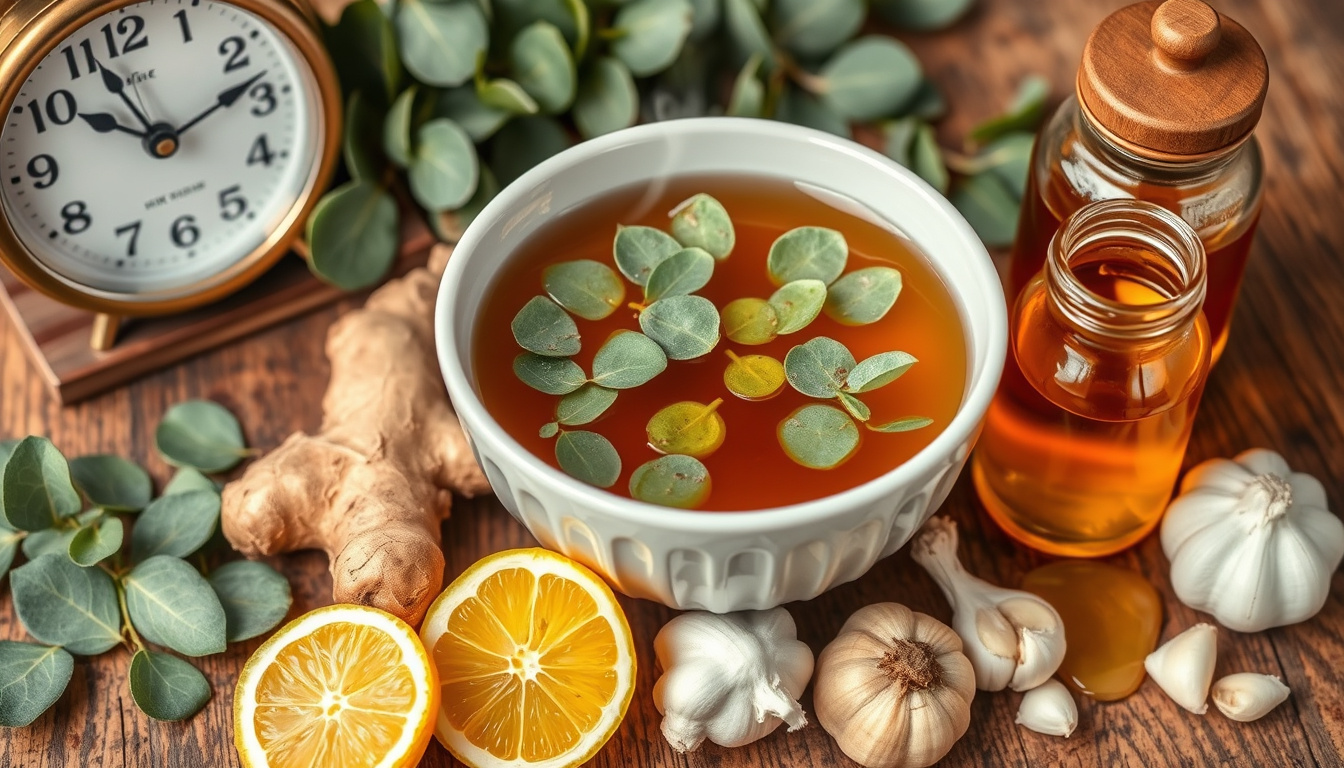
Vitamin C, hydration, and antimicrobial foods like garlic and ginger may help support the immune system during infection recovery.
Most sinus infections are viral and do not require antibiotics. Medical guidance should be sought if symptoms persist beyond 10 days.
Reduced facial pressure, easier breathing, clearer nasal drainage, and decreased headache intensity signal that treatment is working.
Steam inhalation clears sinuses by loosening mucus and promoting drainage, offering immediate relief according to Mayo Clinic recommendations. Saline nasal irrigation flushes out pathogens and reduces blockage when performed correctly using sterile water.
Key insights from medical sources include that saline irrigation significantly reduces symptoms, most sinus infections resolve without antibiotics, hydration naturally thins mucus, and warm compresses ease facial pain. Bacterial infections persisting beyond 10 days may require medical intervention.
| Remedy Type | How It Helps | Timeframe | Source |
|---|---|---|---|
| Steam/Vapor | Loosens mucus, promotes drainage | Immediate to hours | Mayo Clinic, Allina Health |
| Nasal Rinse | Clears pathogens, reduces blockage | Within minutes per use | Mayo Clinic, Healthline |
| Hydration | Thins mucus naturally | Gradual, ongoing | Healthline, Allina Health |
| Compresses | Eases pain and pressure | 15-20 minute sessions | Mayo Clinic, Scottsdale Sinus |
| Antimicrobial foods | Supports immune response | Ongoing use | Naturopathic sources |
What Kills a Sinus Infection Naturally?
Several natural substances possess antimicrobial properties that may help the body combat sinus infections. According to naturopathic medical sources, horseradish, ginger, garlic, onion, and diluted grapefruit seed extract have been used traditionally for their natural antibiotic-like effects. Oil of oregano used in steam inhalation may also provide antimicrobial benefits.
However, no natural substance has been scientifically proven to eliminate a sinus infection within 24 hours or cure it permanently. The National Institutes of Health notes that most sinus infections are viral and require the immune system to resolve naturally. Natural remedies work best as supportive measures rather than replacements for medical care when needed.
The Role of Vitamin C and Immune Support
Vitamin C may help the immune system fight off sinus infections more effectively, according to Allina Health. Citrus fruits, bell peppers, and supplements can support overall immune function during infection recovery.
Antimicrobial Foods and Their Applications
Garlic contains allicin, a compound with demonstrated antimicrobial properties. Ginger provides anti-inflammatory effects that may reduce sinus swelling. These foods can be incorporated into the diet during a sinus infection but should not replace medical treatment for bacterial infections.
While garlic, ginger, and horseradish have antimicrobial properties, no natural remedy can guarantee elimination of a bacterial sinus infection. If symptoms worsen or persist beyond 10 days, consulting a healthcare provider is essential to determine whether antibiotic treatment is necessary.
How to Get Rid of a Sinus Infection Without Antibiotics
Most sinus infections are viral, which means antibiotics are ineffective against them. According to Cleveland Clinic, approximately 90% of sinus infections clear up without antibiotics. Treatment focuses on managing symptoms while the immune system resolves the underlying infection.
Hydration and Rest
Drinking plenty of water throughout the day thins mucus naturally and helps the body flush out pathogens. Healthline recommends adequate hydration as a foundational step for sinus infection recovery without medication.
Elevating Your Head During Sleep
Sleeping with the head elevated on extra pillows promotes sinus drainage overnight. This simple positional adjustment can significantly reduce morning congestion and pressure buildup.
Humidification and Air Quality
Using a humidifier or spending time in a steamy bathroom moistens nasal passages and loosens congestion. Adding eucalyptus oil to humidifiers may provide additional relief for some individuals.
Aim for at least 8-10 glasses of water daily during a sinus infection. Warm liquids like herbal tea or broth can be especially soothing while providing hydration benefits.
Best Nasal Sprays and Methods for Sinus Infections
Nasal irrigation using a neti pot or squeeze bottle is one of the most effective methods for clearing sinus congestion. Mayo Clinic specifically recommends saline irrigation with devices like Sinus Rinse, emphasizing that users should employ only sterile, distilled, or boiled water to avoid contamination risks.
Saline Spray Options
Over-the-counter saline nasal sprays provide convenient moisture and mild mucus loosening. These can be used multiple times daily without the risk of dependency associated with medicated sprays.
Nasal Irrigation Technique
Proper nasal irrigation involves leaning over a sink, tilting the head sideways, and allowing saline solution to flow through one nostril and out the other. This process flushes out mucus, allergens, and pathogens while moisturizing nasal passages.
Medicated Nasal Sprays
Corticosteroid nasal sprays may reduce inflammation for chronic sinus issues but typically require a prescription. WebMD advises consulting a healthcare provider before using medicated sprays for more than a few days.
Always use sterile, distilled, or properly boiled water for nasal irrigation. Tap water may contain bacteria or amoebas that can cause serious infections. Clean irrigation devices thoroughly after each use according to manufacturer instructions.
Signs Your Sinus Infection Is Getting Better
Monitoring specific indicators helps determine whether treatment is effective. According to Mayo Clinic, easier breathing, reduced facial pressure, clearer nasal drainage, and diminished headache intensity all signal improvement in sinus infection status.
Positive Recovery Indicators
Improved sense of smell, decreased postnasal drip, reduced cough from sinus drainage, and returning energy levels all suggest that the infection is resolving. Color changes in nasal discharge from yellow or green toward clearer appearances indicate healing progress.
When to Seek Medical Attention
Symptoms worsening after initial improvement, high fever persisting beyond three days, severe headache, vision changes, or neck stiffness warrant immediate medical evaluation. These signs may indicate a bacterial infection requiring antibiotic intervention or other complications.
What to Expect: A Recovery Timeline
Understanding typical recovery patterns helps set appropriate expectations. While symptom relief can begin within hours of starting treatment, complete resolution varies based on whether the infection is viral or bacterial.
- 0-6 hours: Apply steam inhalation and perform nasal irrigation. These methods typically provide relief within minutes and can be repeated as needed.
- 6-24 hours: Continue hydration, rest, and supportive measures. Most people experience noticeable symptom reduction by the end of this period.
- 2-3 days: If using appropriate treatments, substantial improvement in congestion, pressure, and drainage should be evident.
- 7-10 days: Most viral sinus infections resolve completely by this point with proper home care.
- Beyond 10 days: Persistent symptoms may indicate bacterial infection requiring medical evaluation and possible antibiotic treatment.
Realistic Expectations: What Science Says Versus Myths
Separating evidence-based information from marketing claims or anecdotal advice is essential for effective sinus infection management.
| Established Information | Information That Remains Unclear |
|---|---|
| Most sinus infections are viral and resolve without antibiotics | Which specific natural remedies work best for which individuals |
| Steam and saline irrigation provide symptom relief within minutes to hours | Exact duration of natural remedy effectiveness compared to medications |
| Hydration thins mucus and supports recovery | Long-term prevention effectiveness of specific natural approaches |
| Bacterial infections persisting beyond 10 days may need antibiotics | Whether any natural substance can match antibiotic efficacy for bacterial cases |
Understanding Sinus Infections: Background and Causes
Sinusitis occurs when the tissue lining the sinuses becomes inflamed, preventing normal mucus drainage. This condition can result from viral infections, bacterial overgrowth, allergies, nasal polyps, or a deviated septum. The CDC notes that sinus infections affect approximately 31 million people in the United States annually.
Understanding whether an infection is viral or bacterial guides treatment decisions. Viral sinus infections typically improve with supportive care alone, while bacterial infections may require antibiotics when symptoms persist or worsen after the initial period.
“Breathing in steam from a bowl of hot water or using a warm compress may help relieve sinus congestion and pressure.”
“Staying well-hydrated can help thin mucus, making it easier for your body to drain congested sinuses.”
Next Steps: Taking Action for Sinus Relief
For most people experiencing sinus infection symptoms, beginning with conservative home management approaches is reasonable. Starting with nasal irrigation using sterile saline solution, incorporating steam inhalation sessions, and maintaining consistent hydration creates a foundation for symptom relief.
If symptoms do not improve within 48 hours or worsen at any point, seeking evaluation from a healthcare provider is the appropriate next step. For those considering a visit to a local provider, finding a Chemist Near Me can help locate nearby options for obtaining saline sprays, neti pots, and other supportive supplies.
While searching for dietary approaches to support overall health during illness, many people also wonder about specific foods. Those curious about grain-based options might explore whether Is Rice Gluten Free to understand rice’s place in a balanced recovery diet.
Frequently Asked Questions
How can I cure a sinus infection permanently?
Permanent cure depends on addressing underlying causes such as allergies, structural issues, or recurring infections. While individual episodes resolve, prevention through allergy management, hydration, and avoiding irritants reduces recurrence risk. Chronic cases may require medical intervention.
Can incense cause sinus infections?
Incense smoke can irritate nasal passages and worsen sinus symptoms, though it is not directly linked to causing infections in the available medical literature. Those with sinus sensitivity should avoid smoke exposure during infection recovery.
What is the strongest natural antibiotic for sinus infections?
No natural substance has been scientifically proven to eliminate bacterial sinus infections as effectively as antibiotics. Garlic, ginger, and oil of oregano have antimicrobial properties but should not replace medical treatment for confirmed bacterial infections.
How long does it take for a sinus infection to go away naturally?
Most sinus infections resolve within 7-10 days with supportive care. Viral infections often improve sooner with rest and home treatment, while bacterial infections may persist longer without medical intervention.
Is yogurt good for sinus infections?
Yogurt contains probiotics that support overall immune function, but specific benefits for sinus infections are not well-documented in medical literature. Probiotic foods can be part of a balanced diet during illness recovery.
When should I see a doctor for a sinus infection?
Seek medical attention if symptoms last more than 10 days, worsen after initial improvement, include high fever above 102°F, or involve vision changes or severe headache.
Can I use tap water for nasal irrigation?
The CDC recommends using only sterile, distilled, or previously boiled water for nasal irrigation. Tap water may contain organisms that cause serious infections when introduced to nasal passages.
Related stories



Liam O'Brien covers Australian politics and public affairs for Oz Briefly.