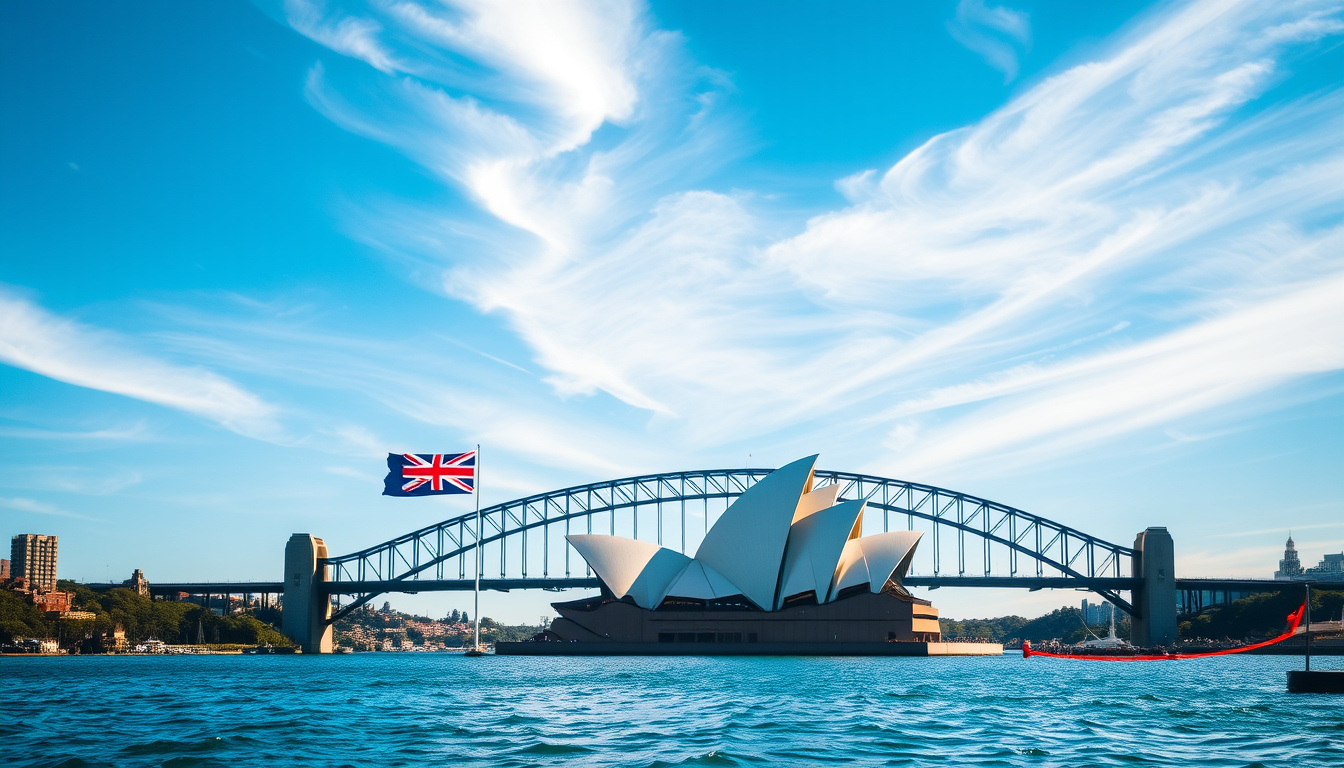

Australia Day 2025 falls on Sunday, January 26, serving as the nation’s designated public holiday to commemorate the arrival of the First Fleet at Sydney Cove in 1788. The occasion brings together communities across the country for citizenship ceremonies, award presentations, and public festivities, while also prompting annual debates about the meaning and timing of the national celebration.
As with every year, the date draws varying responses from Australians. For many, it represents an opportunity to reflect on national achievements and community ties. For others, particularly within Indigenous communities, the day marks a painful reminder of colonisation and its ongoing effects. Understanding both perspectives helps frame the practical and cultural dimensions of the 2025 observance.
When is Australia Day 2025?
Australia Day 2025 is observed on Sunday, January 26. The date holds statutory recognition as a public holiday under legislation across all Australian states and territories, including the Holidays Act 1983 in Queensland, the Public Holidays Act 2010 in New South Wales, and equivalent acts in South Australia, Victoria, the Australian Capital Territory, Tasmania, the Northern Territory, and Western Australia.
Because January 26 falls on a Thursday in 2025, those with leave entitlements may choose to take Friday, January 27 off to create a four-day long weekend. No state or territory officially designates the following day as an additional public holiday, a practice that was discontinued following national standardisation in 1994. Prior to that year, several states shifted the celebration to the nearest Friday to enable a long weekend arrangement.
Key Insights for 2025
- January 26, 2025 lands on a Thursday, making it a standard weekday public holiday without automatic long weekend extension.
- Workers entitled to leave may negotiate with employers for a discretionary long weekend spanning January 24–26.
- The date has been standardised nationwide since 1994, ending earlier state-by-state variations in observance.
- Polls indicate that around 60.5% of Australians support retaining January 26 as the national day, according to a January 2026 Roy Morgan survey.
- Annual debates about the date continue, though the minority calling for change has not shifted official policy.
- State and territory government websites provide region-specific information about local event schedules.
- Citizenship ceremonies typically see peak scheduling around this holiday period.
| Fact | Details |
|---|---|
| Official Date | Sunday, 26 January 2025 |
| Public Holiday Coverage | All states and territories |
| Year of National Standardisation | 1994 |
| Year Australia Day Was Named | 1935 |
| Long Weekend Potential | Discretionary (Fri 27 Jan optional) |
| Pre-1994 Arrangement | Nearest Friday in some states |
Is Australia Day 2025 a Public Holiday?
Yes. Australia Day carries public holiday status on January 26 across every Australian jurisdiction. This legal standing means most workers are entitled to paid leave on that day, and many businesses, government offices, and schools adjust their operations accordingly. Retail trading hours vary by state, with some jurisdictions permitting trading while others restrict it.
The holiday designation traces to state and territory legislation, not a single federal act. Each jurisdiction maintains its own schedule for supplementary holidays when January 26 falls on a weekend. In those cases, the holiday typically shifts to the following Monday. For 2025, however, January 26 falls on a Thursday, placing the holiday squarely within the standard working week.
The shift to a Monday when January 26 falls on a weekend was standardised in 1994, replacing earlier arrangements where some states observed the holiday on the nearest Friday. This change aimed to create uniformity across the country.
What Events Are Planned for Australia Day 2025?
The Australia Day Council coordinates nationwide programming that emphasises Australian contributions, historical reflection, Indigenous reconciliation, and cultural diversity. While specific 2025 event schedules are released closer to the date, the established pattern includes several signature activities that recur annually.
On Australia Day Eve, the Australia of the Year Awards recognise individuals and organisations demonstrating exceptional contributions to national life. The Australia Day Honours list simultaneously announces recipients of honours and awards across various categories. Both announcements feature addresses from the governor-general and prime minister, framing the national narrative for the coming year.
Awards and Ceremonies
Community-level recognition extends through local council awards, with citizenship ceremonies forming a central component of the day. These ceremonies formalise the naturalisation of new Australians, many of whom are specifically invited to participate on Australia Day itself. The symbolism of becoming a citizen on the national day carries deliberate significance for participants.
Public Celebrations
Outdoor gatherings, family barbecues, and picnics represent the informal side of celebrations. State-specific events often include regattas, referencing historical colonial festivities that marked early anniversary observations. Major cities typically stage fireworks displays, with Sydney and Melbourne attracting substantial crowds.
Local event details for 2025 are progressively published through state government websites and the official Australia Day portal. City councils also publish region-specific schedules highlighting road closures and public transport adjustments.
How is Australia Day Celebrated?
Celebrations unfold across multiple dimensions, from official ceremonies to informal community gatherings. The Australia Day Council provides frameworks and resources for local councils and community groups, encouraging participation at the neighbourhood level. Family-oriented events dominate daytime programming, shifting to more formal evening proceedings as Australia Day Eve and Day approach.
The mix of formal recognition and casual festivity reflects the dual character Australians generally associate with the day. Award presentations and official addresses satisfy those seeking patriotic symbolism, while barbecues, sporting events, and outdoor activities cater to those looking for social connection without formal observance.
Why is Australia Day Celebrated on January 26?
January 26 marks the arrival of the First Fleet at Sydney Cove in 1788 under the command of Governor Arthur Phillip. This event initiated British colonial settlement of the continent, fundamentally reshaping the lives of Aboriginal and Torres Strait Islander peoples who had inhabited the land for more than 65,000 years. The date was chosen as the commemorative anchor because it represented the physical beginning of European governance in Australia.
Historical Development
Celebrations began locally before becoming national. New South Wales observed 1818 as Anniversary Day, with the first official public holiday following in 1838 under the designation Foundation Day. Other colonies marked their own founding days independently before Federation in 1901 brought discussions about a unified national occasion.
The Australian Natives’ Association championed a unified national day from the late nineteenth century, arguing for shared commemoration over disparate colonial anniversaries. The name Australia Day was adopted in 1935, with all states aligning their observances by 1940. Full national uniformity on January 26 was achieved in 1994.
Indigenous Perspectives on the Date
For many Aboriginal and Torres Strait Islander people and their supporters, January 26 symbolises invasion, dispossession, and loss. Historical records indicate that Indigenous populations declined by approximately 90% between 1788 and 1900 due to colonisation’s combined effects. These figures inform the perspective that the date represents not liberation but displacement.
Henry Parkes, a foundational figure in Federation discussions, dismissed proposals to include Aboriginal people in centennial celebrations in 1888, reportedly questioning why they would want reminders of their dispossession. This exclusion reflected prevailing attitudes of the era and set patterns that continued for generations.
What is the Controversy Surrounding Australia Day?
The debate over Australia Day centres on the date itself, with critics arguing that commemorating colonisation on January 26 causes unnecessary harm to Indigenous Australians. Groups supporting change refer to the day as Invasion Day, Survival Day, or Day of Mourning, each term framing the occasion through a lens of Indigenous experience rather than colonial triumph.
Protests date to 1938, when the Australian Aborigines’ League organised the first Day of Mourning on January 26, explicitly objecting to what they termed the “Whiteman’s seizure” of Aboriginal lands. The 1988 bicentennial saw significant “Invasion Day” marches, and annual protests have continued since, drawing tens of thousands of participants. Melbourne’s 2018 demonstration exemplified the scale these events can achieve.
Survival Day events, such as the 1992 concert held at Sydney’s Pier, celebrate Indigenous endurance and culture. These gatherings present alternative framing for January 26, emphasising resilience rather than victimhood. The terminology varies among communities, with “Survival Day” particularly preferred by those seeking celebratory rather than mournful emphasis.
Arguments on Both Sides
Those supporting retention of January 26 emphasise national unity, historical significance, and the difficulty of finding an alternative date that satisfies all stakeholders. They point to the day as an opportunity to celebrate Australian identity and achievements, including the recognition of new citizens through formal ceremonies.
Those calling for change argue that a nation built on inclusion cannot sustain a holiday that causes pain to its First Peoples. The #changethedate movement advocates relocating the celebration rather than abolishing it, though no alternative date has achieved consensus support. Governments have generally resisted formal changes, instead emphasising reflection and reconciliation within existing frameworks.
| Aspect | Pro-January 26 Position | Counter-Observance Position |
|---|---|---|
| Symbolism | National founding and unity | Invasion, dispossession, and loss |
| Typical Events | Awards, citizenship ceremonies, barbecues | Protests, Survival Day concerts, memorial marches |
| Public Support | 60.5% support retaining January 26 (2026 poll) | Minority position seeking change or abolition |
Polling data from Roy Morgan surveys indicates that public opinion has remained relatively stable, with a consistent majority supporting the current date despite ongoing advocacy for change. The issue remains unresolved in public discourse, with both perspectives receiving media coverage and political attention.
Timeline of Australia Day
The following timeline outlines key moments in the development of Australia Day from its colonial origins to the present day:
- 1788: First Fleet arrives at Sydney Cove under Governor Arthur Phillip, initiating British colonial settlement.
- 1818: New South Wales observes its first Anniversary Day, laying groundwork for future public holidays.
- 1838: Foundation Day becomes the first official public holiday in New South Wales.
- 1888: Henry Parkes and the Australian Natives’ Association push for a unified national day, excluding Indigenous participation in centennial discussions.
- 1935: The name Australia Day is formally adopted, with states beginning to align their observances.
- 1938: The 150th anniversary of settlement sees both celebrations and the first major Day of Mourning protest by the Australian Aborigines’ League.
- 1940: All Australian states have adopted the Australia Day name for their observances.
- 1994: National standardisation places Australia Day on January 26 consistently across all states and territories.
- 2025: Australia Day falls on Sunday, January 26, continuing the annual cycle of celebration and debate.
Background and Significance
Australia Day occupies a unique position in the national calendar, serving simultaneously as a celebration of British settlement and a flashpoint for debates about national identity. The tension between these functions reflects broader societal disagreements about how Australia should acknowledge its colonial past while building an inclusive future.
For many Australians, the day provides an opportunity to reflect on community ties and national achievements. The official public holiday schedule recognises January 26 as a day when Australians from all backgrounds can participate in shared observances. Citizenship ceremonies held on the day symbolise the inclusive character many associate with contemporary Australian identity.
For others, particularly Indigenous Australians, the date carries connotations that preclude unreserved celebration. The ongoing presence of protests and alternative observances demonstrates that significant portions of the population view January 26 as fundamentally problematic. These perspectives have gained increasing media attention and political recognition in recent decades, shaping public discourse around the holiday. Learn more about Australian public holidays and observances.
While public support for the current date remains stable, the debate shows no signs of resolution. Both celebratory and protest events will likely continue in 2025, reflecting the divergent views Australians hold about the day’s appropriate form and meaning.
Sources and References
The historical and legal foundations of Australia Day are documented across multiple authoritative sources. The comprehensive Wikipedia entry on Australia Day draws on academic and governmental sources to document the holiday’s development, controversies, and current status. The Library of Congress blog post Australia’s National Day provides detailed analysis of the legislative framework governing public holiday status across jurisdictions.
State and territory government websites provide current information about public holiday arrangements, trading hours, and local event schedules. The ABC News coverage offers journalistic perspectives on contemporary debates, including reporting on protests and alternative observances.
Australia Day reflects the ongoing challenge of commemorating a nation’s founding in ways that acknowledge all aspects of its history. The tension between celebratory and protest events on January 26 demonstrates that public holidays carry meanings that extend beyond their official designations.
— Based on documented historical and contemporary sources
Summary
Australia Day 2025 falls on Sunday, January 26, serving as a public holiday across all Australian states and territories. The occasion commemorates the 1788 arrival of the First Fleet while generating annual debate about the appropriateness of the chosen date. Standard celebrations include the Australia of the Year Awards, citizenship ceremonies, and community gatherings, while protests and alternative observances such as Survival Day events reflect ongoing Indigenous perspectives on the day. Public opinion polling indicates a stable majority supporting retention of January 26, though the controversy remains unresolved. Workers seeking a long weekend may negotiate discretionary leave for Friday, January 27, though no state officially extends the holiday.
For those planning ahead, the Time and Date website provides detailed holiday schedules for each Australian jurisdiction, including information about trading hours and supplementary holidays when January 26 falls on a weekend.
Frequently Asked Questions
What is the controversy around Australia Day?
Critics argue that January 26 marks the beginning of British colonisation, which caused dispossession and suffering for Indigenous Australians. Groups refer to the day as Invasion Day, Survival Day, or Day of Mourning, advocating either a date change or abolition of the celebration.
Are there Australia Day awards in 2025?
Yes. The Australia of the Year Awards are presented on Australia Day Eve, recognising outstanding contributions by Australians. The Australia Day Honours list is simultaneously announced, covering various categories of national recognition.
Is there a long weekend for Australia Day 2025?
January 26 falls on a Thursday in 2025, making it a standard weekday holiday. Workers may negotiate discretionary leave for Friday, January 27 to create a four-day weekend, but no state officially extends the public holiday.
Why is Australia Day on January 26?
January 26 marks the date in 1788 when the First Fleet arrived at Sydney Cove under Governor Arthur Phillip, establishing the first British settlement. This event became the anchor for national commemoration.
How is Australia Day celebrated?
Celebrations range from official ceremonies including awards presentations and citizenship events to informal gatherings such as barbecues, outdoor activities, and fireworks displays. The Australia Day Council coordinates national programming.
What events are happening for Australia Day 2025?
Specific local events are published through state government websites and the official Australia Day portal. Standard activities include citizenship ceremonies, community awards, public speeches, and festive gatherings in urban centres.
Is Australia Day 2025 a public holiday?
Yes. January 26 is legally designated as a public holiday in all Australian states and territories under relevant state and territory legislation.
Related stories



Liam O'Brien covers Australian politics and public affairs for Oz Briefly.