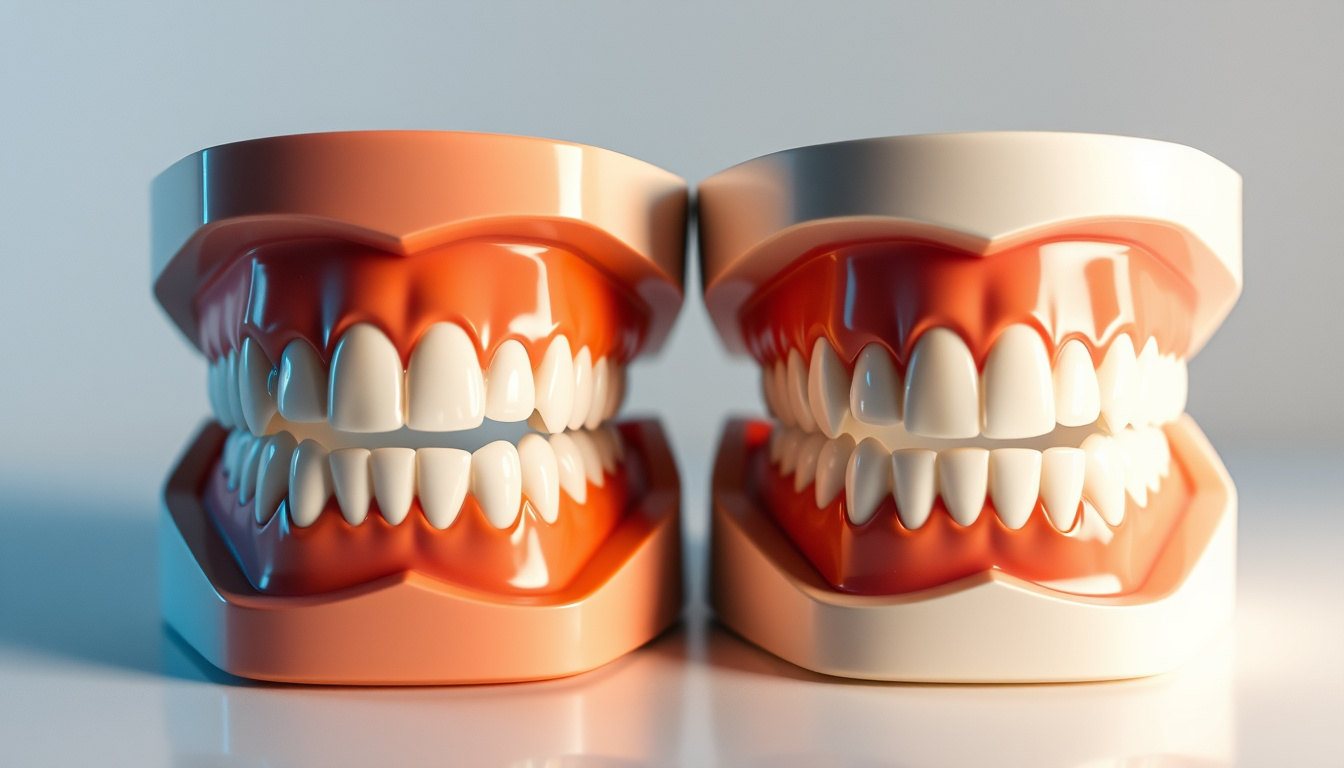
If you’ve ever wondered whether 28 or 32 is the “right” number of teeth for an adult, you’re not alone. The answer depends largely on whether your wisdom teeth are still in place. Most adults develop a full set of 32 permanent teeth, though millions end up with 28 after having those third molars removed. Understanding what counts as normal—and what drives the difference—can clear up a lot of confusion at your next dental visit.
Adult permanent teeth: 32 · Without wisdom teeth: 28 · Upper jaw: 16 · Lower jaw: 16
Quick snapshot
- Adults have 32 permanent teeth including 4 wisdom teeth (Healthline)
- 28 teeth without wisdom teeth is standard after extraction (Ubie Health)
- 5 million Americans have wisdom teeth removed each year (Aria Dental)
- Tooth retention rates at age 70 vary by individual health with no single universal statistic
- Exact causes of regional variations in extraction practices remain debated
- Wisdom teeth emerge between ages 17-25
- 50% of Americans have at least one wisdom tooth removed by age 25
- 70% undergo wisdom extraction by age 60
- Tooth loss beyond wisdom teeth increases with age
- Implant dentistry growing as retention expectations shift
| Dental fact | Value |
|---|---|
| Total adult teeth | 32 |
| Wisdom teeth | 4 |
| Per jaw | 16 |
| Child teeth (primary) | 20 |
| Incisors per adult | 8 |
| Canines per adult | 4 |
| Premolars per adult | 8 |
| Molars per adult | 12 |
Should I have 28 or 32 teeth?
The question “should I have 28 or 32 teeth” reflects a common source of confusion. Adults typically have 32 permanent teeth, which include four wisdom teeth (third molars). However, many people end up with only 28 teeth after wisdom tooth removal. Both numbers represent normal variations depending on whether those third molars remain in place or have been extracted.
Wisdom teeth role
Wisdom teeth are the final set of molars to emerge, typically appearing between ages 17 and 25. An estimated 85% of adults aged 20-30 have at least one impacted wisdom tooth (meaning it doesn’t fully emerge from the gum), according to Aria Dental (dental care provider). About 65% of those with impacted wisdom teeth undergo surgical removal.
The American Public Health Association has historically discouraged routine prophylactic removal, arguing that not all wisdom teeth cause problems. However, dental professionals often recommend extraction when X-rays show potential for crowding, infection, or cyst formation.
When 28 is standard
When all four wisdom teeth are removed, an adult typically has 28 teeth remaining. According to Frontiers in Dental Medicine (peer-reviewed dental journal), approximately 50% of U.S. patients underwent at least one wisdom tooth extraction by age 25, based on 2007-2016 data. By age 60, that cumulative figure rises to about 70%.
Half of young adults in the U.S. lose at least one wisdom tooth before their mid-twenties. That means “28 teeth” isn’t unusual—it’s arguably closer to average for adults in their 30s and beyond.
How many teeth does an adult have without wisdom teeth?
Without wisdom teeth, an adult has 28 teeth. This count is what dental professionals consider the “functional” adult dentition—every tooth type needed for proper chewing and speech is still present. The 28-tooth set includes all incisors, canines, premolars, and first and second molars.
Breakdown by type
The 32-tooth adult set divides into specific categories. According to Ubie Health (dental health resource), the permanent dentition includes:
- 8 incisors — the flat-front teeth used for cutting food
- 4 canines — the pointed teeth for tearing
- 8 premolars — also called bicuspids, for grinding
- 12 molars — including 4 wisdom teeth, for heavy chewing
Upper vs. lower jaw
Adults typically have 16 teeth in the upper jaw and 16 in the lower jaw, as noted by Smiles for Life Oral Health (oral health education resource). Each half-jaw contains the same tooth type distribution: four incisors, two canines, four premolars, and six molars—including the wisdom tooth.
Dental professionals number adult teeth 1-32, starting from the right upper wisdom tooth (tooth 1) and moving clockwise. This universal system helps dentists and hygienists precisely identify any tooth during examinations or procedures.
How many teeth does a child have?
Children have 20 primary teeth, also called “baby teeth” or deciduous teeth. These start erupting around 6 months of age, and most children have a full primary set by age 3. Primary teeth are smaller, whiter, and have thinner enamel than permanent teeth.
Primary vs. permanent
The 20 primary teeth serve as placeholders for the permanent dentition. Children don’t have premolars or wisdom teeth—those tooth types appear only in the adult set. As primary teeth fall out (a process called exfoliation), they make room for the larger permanent teeth, which begin emerging around age 6 and continue through the teenage years.
Adults gain 12 additional teeth compared to children: the 8 premolars and 4 third molars (wisdom teeth) that simply don’t exist in the primary set.
Eruption timeline
Primary tooth eruption typically follows a predictable schedule. Lower central incisors usually appear first around 6-10 months, followed by upper incisors. By age 2-3, most children have all 20 primary teeth. The first permanent molars emerge around age 6—before any primary teeth fall out—creating a mixed dentition phase that lasts several years.
How many teeth should a 60 year old have?
Tooth retention in older adults varies widely based on lifetime dental care, socioeconomic factors, and access to preventive services. While the full adult set contains 32 teeth, no single answer exists for how many teeth a 60 year old “should” have—the goal of modern dentistry is to help patients keep as many natural teeth as possible for as long as possible.
Average retention rates
According to Frontiers in Dental Medicine (research journal), approximately 70% of Americans have had at least one wisdom tooth extracted by age 60. Beyond wisdom teeth, tooth loss from decay, gum disease, and trauma becomes more common with advancing age.
National health surveys indicate that adults over 65 retain an average of 18-22 natural teeth in many developed countries—a figure that has improved steadily as preventive dental care has become more widespread.
Factors causing loss
Tooth loss in older adults stems primarily from three causes: untreated decay (often beneath existing fillings), periodontal disease (gum infection that destroys bone supporting teeth), and fracture from weakened tooth structure. Dry mouth conditions—common as a side effect of many medications—also accelerate decay rates in older populations.
Each missing tooth affects bite mechanics and can cause neighboring teeth to shift over time. For patients considering implants or bridges, early intervention typically offers more treatment options and better outcomes than waiting until multiple teeth are lost.
How many 70 year olds still have all their teeth?
Few people retain a complete set of 32 natural teeth by age 70. Studies consistently show that tooth loss accumulates through middle age and beyond, though the rate varies significantly across populations with different access to dental care.
Tooth loss stats
Research from PMC (National Institutes of Health research repository) documents that wisdom tooth extractions alone account for a significant portion of tooth loss in young adulthood. Of those extractions, women undergo approximately 65.6% compared to 34.4% for men—a gender gap documented across multiple studies.
The demand for dental implants rises sharply in later decades as patients seek replacements for missing teeth. Implant procedures have become routine, with success rates exceeding 95% for patients in good health.
Implant trends
According to Aria Dental (dental practice), 5 million Americans have wisdom teeth removed each year as of 2025, fueling ongoing demand for implant consultations in subsequent decades. The growing implant market reflects both longer life expectancy and higher expectations for natural-tooth function in old age.
| Tooth count | Includes wisdom teeth | Typical reason |
|---|---|---|
| 32 teeth | Yes, all four | Full permanent dentition, no extractions |
| 28 teeth | No, all removed | Standard extraction of third molars |
| Variable (24-32) | Partial or none | Additional extractions from decay or damage |
Tooth count comparisons reveal a clear pattern: the difference between a full set and the standard adult count almost always traces back to wisdom teeth. Beyond that, additional tooth loss reshapes the equation but follows a more individualized trajectory.
The 28 vs. 32 teeth comparison
The 28-versus-32 debate often surprises people who assume there’s one “correct” number. In reality, both 28 and 32 represent healthy variations. The key distinction lies in whether the four third molars remain functional and problem-free.
The practical difference between 28 and 32 teeth is minimal for most daily functions. The mouth adapts readily to the loss of third molars, as they contribute less to overall chewing efficiency than first and second molars. What matters more is maintaining the health of the remaining teeth.
| Factor | 32 teeth | 28 teeth |
|---|---|---|
| Wisdom teeth | All four present | All four removed |
| Function | Complete chewing surface | Slightly reduced chewing area |
| Aesthetics | Full posterior display | Identical appearance |
| Dental visits | Monitor for impaction | No third-molar monitoring |
| Prevalence (US adults) | Common in teens/20s | Common in adults 30+ |
Confirmed
- Adults have 32 permanent teeth per Healthline, Ubie Health
- 28 teeth without wisdom teeth is standard after extraction
- 5 million Americans remove wisdom teeth annually
- 85% of adults 20-30 have at least one impacted wisdom tooth
- 50% of Americans have wisdom teeth removed by age 25
- Wisdom teeth emerge between ages 17-25
Unclear / varies
- Exact tooth retention rates at age 70 vary by individual
- Regional extraction rate differences partly reflect practice variations, not just pathology
- Genetic factors in wisdom tooth development lack precise predictive models
“Most adults have 32 permanent teeth, though many end up with 28 if wisdom teeth are removed or never grow in.”
— Oclean Blog (dental health resource)
“By age 25, approximately 80% of patients underwent at least one tooth extraction and an estimated 50% underwent at least one third-molar extraction.”
— Frontiers in Dental Medicine (peer-reviewed journal)
The implication: the majority of American adults will lose at least one tooth—and often a wisdom tooth—by their mid-twenties. That makes “28 teeth” a common endpoint rather than a cause for concern.
For American patients, the choice between monitoring wisdom teeth and removing them proactively often comes down to individual anatomy, family history, and personal risk tolerance. Those with sufficient jaw space and properly positioned third molars may keep their full 32-tooth set. Those who require extraction typically adapt well to 28 functional teeth with no meaningful impact on quality of life.
Related reading: sinus infection remedies · find a chemist near me
yougov.com, optimaldentalhealth.co.uk, ezteether.com, advancedindiana.com, triagenics.com
Frequently asked questions
How many teeth does a teenager have?
A teenager typically has 28-32 teeth, depending on whether wisdom teeth have emerged or been extracted. Most teenagers have their permanent dentition complete (28 teeth) by age 12-13, with wisdom teeth potentially appearing in the late teens.
Is having 24 teeth okay?
Having 24 teeth is below the typical adult range and usually indicates significant tooth loss beyond wisdom teeth. This number may result from extractions due to decay, gum disease, or trauma.Dental professionals can assess whether 24 teeth provide adequate function or whether prosthetic replacements would improve oral health.
Do all 28 teeth fall out?
No, the 28 teeth that remain after wisdom tooth removal are the permanent teeth that are meant to last a lifetime. They don’t fall out naturally. Only primary (baby) teeth are designed to fall out. If an adult loses permanent teeth, it results from dental disease, injury, or planned extraction—not natural shedding.
Can a dentist pull all your teeth at once for dentures?
While theoretically possible, removing all teeth at once is rarely standard practice. Dentists typically extract remaining teeth over multiple appointments to manage healing, infection risk, and patient comfort. Immediate dentures can be fitted the same day as extractions, but the full treatment involves careful planning with an oral surgeon or prosthodontist.
What food kills mouth bacteria?
No food “kills” mouth bacteria outright, but certain foods reduce bacterial growth. Sugar feeds harmful bacteria, while cheese, plain yogurt, and crunchy vegetables can help neutralize acids and stimulate saliva production that naturally cleans the mouth. Green tea contains compounds that inhibit bacterial growth. Maintaining a balanced diet supports oral microbiome health.
What destroys teeth the most?
The primary destroyers of teeth are untreated dental decay (caused by acid-producing bacteria feeding on sugar), periodontal disease (gum infection destroying bone support), and physical trauma. Acidic beverages including soda and fruit juice also erode enamel. Preventing these conditions through good oral hygiene, regular dental visits, and dietary choices offers the best protection.
How many teeth does an adult have on the bottom?
An adult typically has 16 teeth in the lower jaw: 4 incisors, 2 canines, 4 premolars, and 6 molars (including the lower wisdom tooth). This matches the upper jaw count, giving a total of 32 teeth when all wisdom teeth are present.

Liam O'Brien covers Australian politics and public affairs for Oz Briefly.